
Embark on a journey to discover the ins and outs of obtaining legal consultation for your business. From the importance of seeking advice to the benefits of compliance, this guide has you covered.
Exploring key areas and criteria for finding the right legal advisor, along with tips for establishing legal compliance, this guide is your go-to for all things legal.
Legal Consultation for Business
Legal consultation for business is crucial for ensuring compliance with laws and regulations, protecting intellectual property, resolving disputes, and managing risks effectively.
Benefits of Having Legal Advisors for Businesses
- Legal advisors can provide expert guidance on complex legal matters that business owners may not be familiar with.
- They can help in drafting and reviewing contracts, agreements, and other legal documents to avoid potential pitfalls.
- Legal advisors can represent the business in legal proceedings, such as litigation or arbitration, to protect its interests.
- They can offer strategic advice on how to navigate legal challenges and opportunities to maximize business success.
Key Areas Where Legal Consultation is Crucial for Business Operations
- Employment law: Ensuring compliance with labor laws, drafting employment contracts, and handling workplace disputes.
- Intellectual property: Protecting trademarks, patents, copyrights, and trade secrets to safeguard valuable assets.
- Contract law: Negotiating and drafting contracts with suppliers, customers, and business partners to establish clear terms and conditions.
- Corporate governance: Adhering to corporate laws and regulations, maintaining compliance, and mitigating legal risks.
How Legal Consultation Can Help in Risk Management and Compliance
- Legal advisors can conduct risk assessments to identify potential legal issues and develop strategies to mitigate them.
- They can ensure that the business is compliant with relevant laws and regulations to avoid costly penalties and legal consequences.
- Legal consultation can help in creating policies and procedures to address legal risks proactively and establish a culture of compliance within the organization.
How to Find Legal Consultation
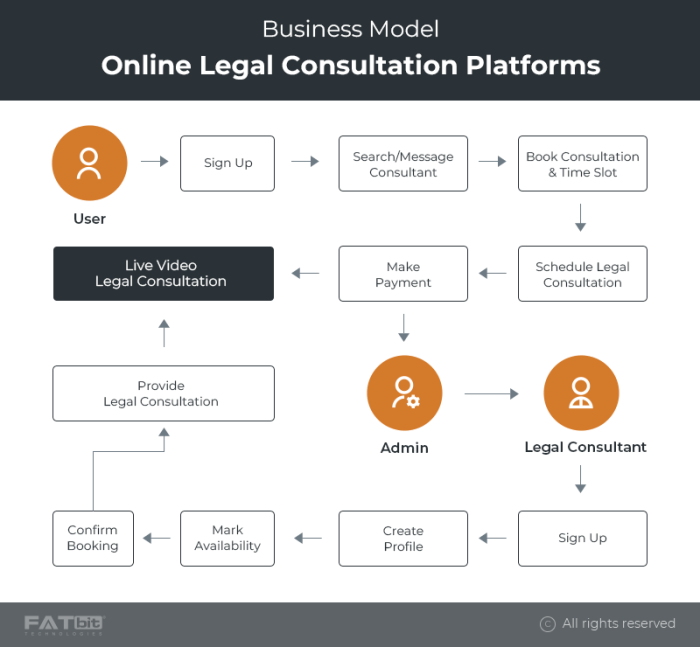
Finding reputable legal consultants for businesses is crucial for ensuring legal compliance and protection. Here are some methods and criteria to consider when selecting a legal advisor for your business:
Researching Legal Consultation Services
- Start by asking for recommendations from other business owners or professionals in your network.
- Look for online reviews and ratings to gauge the reputation and reliability of different legal consultants.
- Consider reaching out to local bar associations or legal directories for a list of qualified attorneys.
Criteria for Selecting a Legal Advisor
- Check the expertise of the legal consultant in your specific industry or area of business law.
- Verify the credentials and qualifications of the attorney, including their education, experience, and any certifications.
- Assess the communication style and availability of the legal advisor to ensure they can meet your needs and expectations.
Importance of Checking Credentials and Expertise
- Having a legal advisor with the right credentials and expertise can provide you with accurate and reliable legal guidance.
- Ensuring that the legal consultant is well-versed in the legal issues relevant to your business can help prevent costly legal mistakes.
- By checking credentials and expertise, you can have confidence in the legal advice and representation you receive for your business.
Establishing Legal Compliance
Legal compliance is a crucial aspect of running a successful business as it ensures that the company operates within the boundaries of the law, minimizing the risk of legal issues and potential fines or penalties.
Significance of Legal Compliance
Ensuring legal compliance not only helps businesses avoid costly legal battles but also builds trust with customers, investors, and other stakeholders. It enhances the reputation of the business and demonstrates a commitment to ethical practices.
Common Legal Compliance Issues
- Employment laws: Businesses need to comply with regulations related to hiring, firing, wages, benefits, and workplace safety.
- Privacy laws: Data protection laws require businesses to safeguard customer and employee information.
- Intellectual property laws: Protecting trademarks, patents, and copyrights is essential to avoid infringement issues.
Examples of Regulations and Laws
| Regulation/Law | Description |
|---|---|
| General Data Protection Regulation (GDPR) | EU regulation on data protection and privacy for individuals. |
| Fair Labor Standards Act (FLSA) | U.S. law governing minimum wage, overtime pay, and child labor. |
| Trademark Act | Legislation protecting trademarks and service marks. |
Impact on Business Success
Failure to comply with legal requirements can result in financial losses, damage to the reputation, and even closure of the business. On the other hand, businesses that prioritize legal compliance are more likely to attract customers, partners, and investors who value integrity and accountability.
Benefits of Legal Compliance
Maintaining legal compliance is crucial for businesses as it offers a myriad of advantages. It not only ensures that the company operates within the boundaries of the law but also helps in building a positive reputation and fostering trust among stakeholders.
Boosting Investor Confidence and Partnerships
Legal compliance plays a significant role in boosting investor confidence and forming partnerships. When a business complies with all relevant laws and regulations, investors are more likely to trust the company’s operations and financial stability. This trust can lead to increased investments and partnerships, ultimately contributing to the growth and success of the business.
- Compliance with financial regulations such as SEC filings can attract more investors.
- Adherence to labor laws and ethical business practices can enhance the company’s reputation in the eyes of potential partners.
- Transparency in legal compliance can create a positive impression on stakeholders, encouraging them to engage with the business.
Examples of Businesses Suffering Due to Non-Compliance
Several businesses have faced severe consequences due to non-compliance with legal regulations. For instance, companies that engage in fraudulent practices or violate environmental laws have faced hefty fines, lawsuits, and damage to their reputation. Non-compliance can also lead to legal battles, loss of customers, and ultimately, closure of the business.
One notable example is the Volkswagen emissions scandal, where the company faced billions in fines and settlements due to cheating on emissions tests, which severely impacted its reputation and market value.
Role of Legal Consultation in Ensuring Continuous Legal Compliance
Legal consultation is essential for businesses to navigate the complex legal landscape and ensure continuous compliance. Legal experts can provide guidance on relevant laws and regulations, conduct audits to identify areas of non-compliance, and help in developing strategies to adhere to legal requirements. By seeking legal consultation, businesses can mitigate risks, avoid legal pitfalls, and safeguard their operations in the long run.
- Legal consultants can help businesses stay updated on changes in laws and regulations that may impact their operations.
- Regular legal reviews and consultations can help businesses proactively address compliance issues before they escalate.
- Legal experts can assist in drafting agreements, contracts, and policies that comply with the law, ensuring the company’s legal protection.
In conclusion, navigating the world of legal consultation for your business is essential for success. By understanding the significance of compliance and the benefits it brings, you can ensure your business thrives in a legally sound environment.
FAQ Insights
How can legal consultation benefit my business?
Legal consultation can provide insights on risk management, compliance, and overall legal strategies that can protect your business’s interests.
What should I look for when selecting a legal advisor?
Consider factors such as expertise, credentials, reputation, and experience in your industry when choosing a legal advisor for your business.
Why is legal compliance important for business operations?
Legal compliance ensures that your business operates within the boundaries of the law, minimizing risks and enhancing its reputation.
How does legal compliance impact investor confidence?
Maintaining legal compliance can boost investor confidence by showcasing your commitment to ethical practices and risk management.


