Embarking on a startup journey involves navigating a myriad of legal complexities. From understanding compliance requirements to addressing common legal issues, seeking legal consultation is crucial for startups to thrive in a regulated environment. Let’s delve into the world of legal guidance for startups.
Legal Consultation for Startups
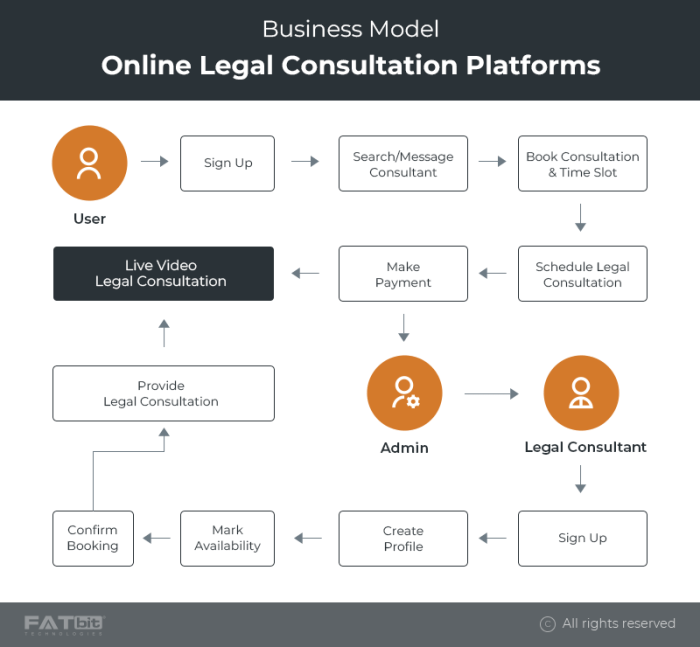
Legal consultation is vital for startups as it helps navigate complex regulations and avoid potential legal pitfalls that could hinder growth and success.
Common Legal Issues Startups Face
- Lack of proper entity formation: Choosing the right business structure and complying with registration requirements.
- Intellectual property protection: Safeguarding trademarks, copyrights, patents, and trade secrets.
- Contract disputes: Ensuring clear and enforceable agreements with employees, vendors, and partners.
- Regulatory compliance: Adhering to industry-specific laws and regulations to avoid fines and penalties.
How Legal Consultation Can Help Startups
- Expert guidance: Lawyers specialized in startup law can provide tailored advice to address specific legal needs.
- Risk mitigation: Identifying potential legal risks and developing strategies to minimize exposure.
- Legal document review: Ensuring contracts, agreements, and policies are legally sound and protect the startup’s interests.
- Dispute resolution: Assisting in negotiations and settlements to resolve legal conflicts efficiently.
Benefits of Proactive Legal Advice for Startups
- Cost savings: Preventing costly legal disputes and litigation through proactive legal planning.
- Business continuity: Avoiding disruptions that could result from legal challenges and regulatory non-compliance.
- Enhanced credibility: Demonstrating commitment to legal compliance and ethical business practices to stakeholders.
- Growth facilitation: Creating a solid legal foundation for scalability and expansion opportunities.
Legal Compliance for Startups
Startups face various legal requirements that they need to comply with to operate legally and avoid potential penalties or legal issues.
Types of Legal Compliance
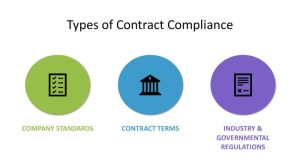
Startups need to comply with various legal frameworks depending on their industry, location, and business model. Some common compliance areas include:
- Business Registration: Startups must register their business entity with the appropriate government authorities.
- Intellectual Property: Protecting trademarks, copyrights, and patents is crucial for startups to prevent infringement.
- Data Privacy: Compliance with data protection laws is essential to safeguard customer information.
- Labor Laws: Startups must adhere to labor regulations regarding hiring, wages, and working conditions.
Consequences of Non-Compliance
Non-compliance with legal requirements can result in fines, lawsuits, reputational damage, or even the closure of the startup. It can also lead to loss of investor trust and hinder future growth opportunities.
Strategies for Legal Compliance
To ensure ongoing legal compliance, startups should:
- Consult with legal experts: Seeking legal advice can help startups understand and fulfill their legal obligations.
- Regularly review and update policies: Keeping policies and procedures up to date with changing laws and regulations is crucial.
- Invest in compliance software: Utilizing technology solutions can streamline compliance processes and ensure accuracy.
- Train employees: Educating staff about legal requirements and best practices can help prevent compliance issues.
In conclusion, legal consultation serves as a cornerstone for startups to proactively manage legal challenges, ensuring compliance and fostering growth. By addressing legal issues head-on and staying informed about regulatory frameworks, startups can set a solid foundation for success in the business landscape.
Q&A
Why is legal consultation important for startups?
Legal consultation helps startups navigate complex regulations, address common legal issues, and proactively manage legal challenges to ensure compliance and growth.
What are some common legal issues startups face?
Startups often encounter issues related to intellectual property, contracts, employment law, and regulatory compliance.
How can startups ensure ongoing legal compliance?
Startups can ensure compliance by staying informed about legal requirements, seeking legal advice, implementing robust compliance frameworks, and conducting regular audits.